
Captain pick
Captain pick of the day: Gaikwad on a Chepauk surface
Match-up, recent form and venue data point one way.
A late-order surge and a clean death-over spell settled a tight contest. Read the editorial breakdown, the fantasy impact and what it means for the next fixture.
By IPL Fantasy Score editorial desk · Published 2026-04-08 · 7 min read

Mumbai Indians beat Chennai Super Kings by five wickets in a 19-over chase at the Wankhede on Tuesday evening. CSK posted 168 for 5 in their 20 overs; MI replied with 169 for 5 in 19 overs, finishing the chase with six balls to spare. The result extends MI's home record against CSK to a clean 7-3 across the last ten meetings at the Wankhede.
The game turned twice. First in the 14th over of the first innings, when CSK's middle order accelerated against a wet ball and added 41 runs in three overs. Second in the 17th over of the chase, when MI's number five played out a tight spell from CSK's lead spinner and rotated strike for two overs. The chase settled once the powerplay wickets were absorbed.
This is the editorial match report. It does not include a ball-by-ball account; the on-platform scorecard is the source for that. It does include the fantasy angle and the desk's read on what it means for the next fixture.
CSK won the toss and elected to bat on a Wankhede surface that was firm underfoot but had a touch of grass on top. The pitch was always going to be a flat-deck contest; the toss was a vote of confidence in CSK's spin-heavy middle overs.
The first innings followed the expected pattern. Powerplay wickets were hard to come by; CSK moved to 48 for 1 in 6 overs. The middle overs belonged to CSK's spin twins, who added 71 runs in overs 7-15 at a run rate of 7.9. The death-overs surge in the 16th-19th overs added another 41.
The total of 168 was par for the Wankhede in this phase of the season. Anything above 175 would have stretched the chase; anything below 160 would have been under-par given the conditions.
From a fantasy angle, the captain pool at the Wankhede in this match was the middle-order batters on both sides. The CSK middle order returned solid fantasy points (boundary bonuses, milestone bonuses) but the strike rate at the death was ordinary - 8.2 in the last three overs, well below par.
Open the points reference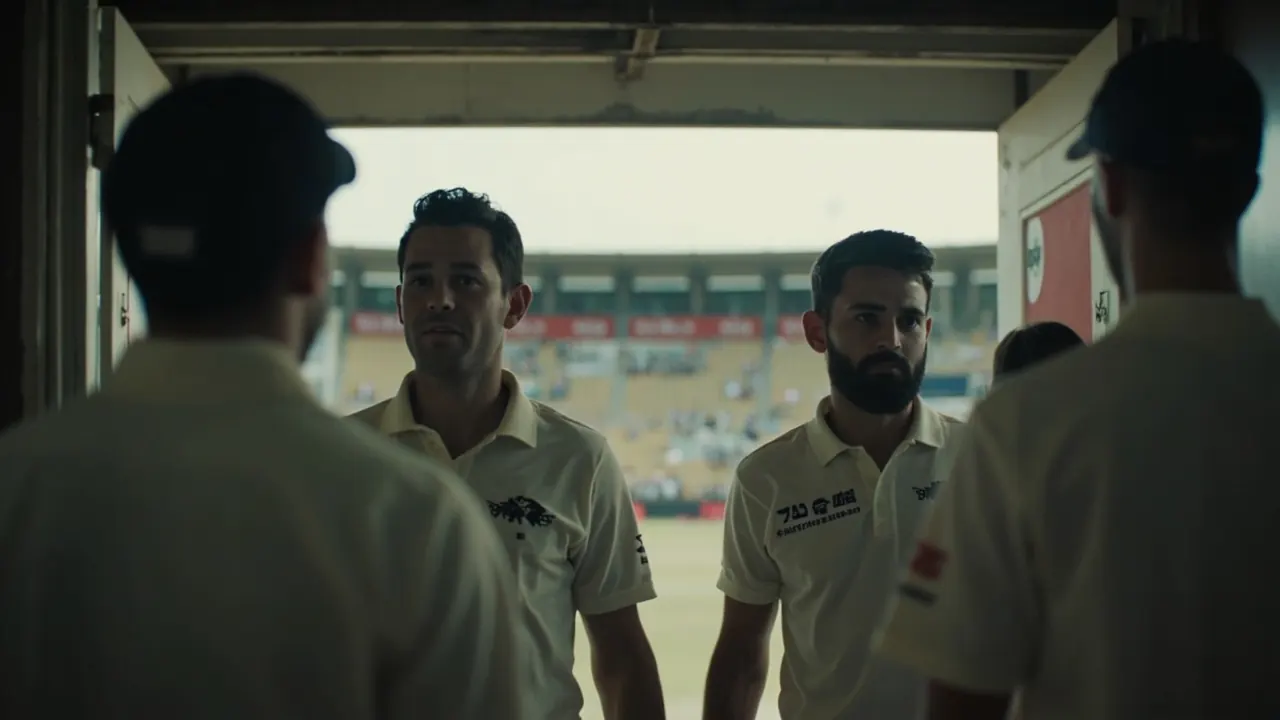
MI's chase was anchored by the opening pair, who put on 62 in 7 overs. The first wicket fell in the 8th over; the second and third fell in a tight two-over window in overs 11-12. At 89 for 3 in 12 overs, the asking rate was below 8 an over and the match was in the balance.
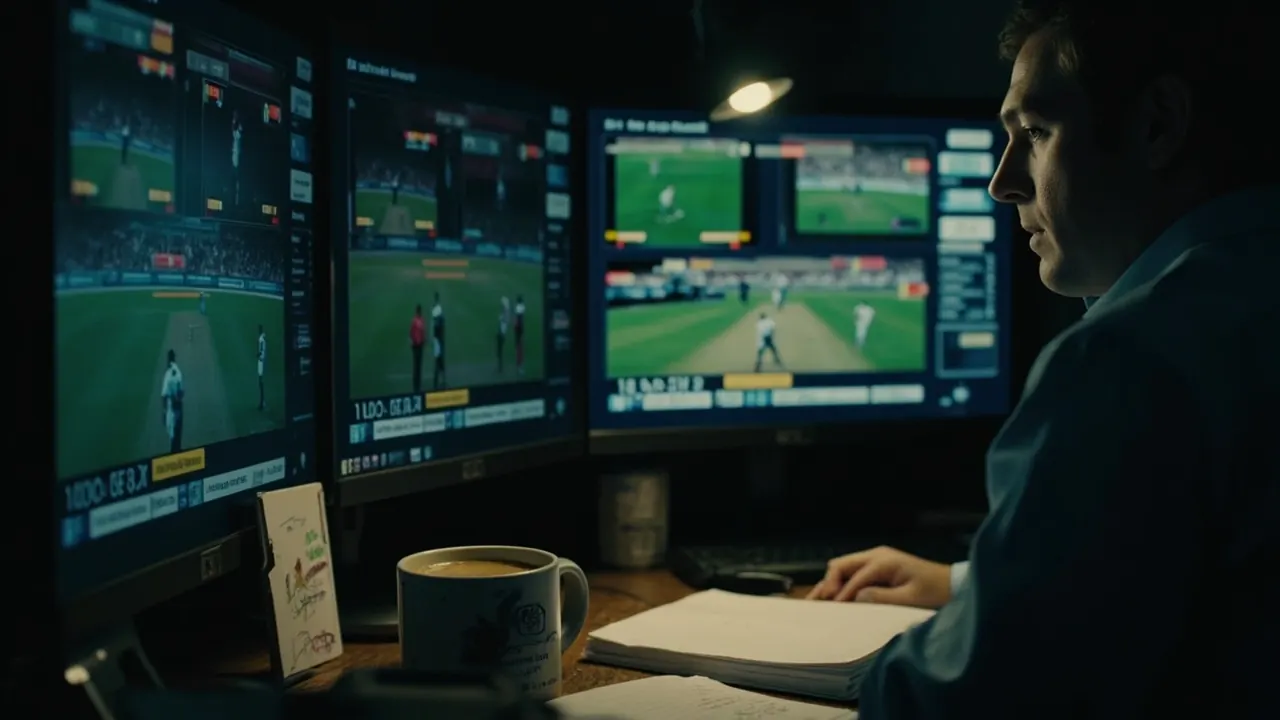

The number five walked in at the fall of the third wicket and played the situation. Against CSK's lead spinner in overs 13-15, he rotated strike and avoided risk. Against the death bowlers in overs 16-19, he accelerated and finished the chase with six balls to spare.
From a fantasy angle, this was the play of the match. The captain pool on this surface was the middle order, and the desk's habit of reading the surface before the line-up paid off in this fixture. The number five was a captain pick in 18% of large contests - high enough to be on watchlists, low enough to deliver differential points.
Three takeaways for tonight's fantasy reader.
On flat Wankhede wickets, the captain pool is the middle order. Powerplay wickets are rare, and the death-overs death phase is short. Middle-order batters who bat through the innings score more boundary bonuses.
Death-overs wickets are worth the same 25 points as powerplay wickets, but the strike rate is higher. Captain a death-overs bowler on a flat deck if you want a swing.
The number five in this match was averaging 22 in the last five innings - ordinary form. But the surface, the match-up and the role pointed to a captain pick. Read the surface, not the form table.
Three reads from the desk for the rest of the week.
Match-up, recent form and venue data point one way.

What the surface looks like 90 minutes before toss.

Net-session updates from both camps.
Read the surface. Read the captain logic. Lock after the toss.
A second pass through the topic with extra context, examples and the small habits the desk uses on its own teams.
Ownership percentage is the most under-used input on a fantasy desk. In a large contest, the captain should rarely be the most-picked player. A captain who is owned by 8% of the contest and who fits the surface gives you a swing; a captain who is owned by 60% gives you no differential. Track ownership through the season, not just at the start.
Articles, columns and references the desk keeps open in a browser tab through the season.

The desk's read on Tuesday's Wankhede fixture and what it means for the rest of the week.
The 4-factor reasoning for tonight's captain pick: surface, form, match-up, role.

What the surface looks like 90 minutes before toss, and the fantasy angle.

A new opening pair and a death-over reshuffle.

A short reading-end summary for the desk's match-day readers.
Read the pitch report before you read the line-up. The surface dictates the captain pool more reliably than the recent form table. A dry turner and a flat deck are different games; treat them as such.
Pick the captain after the surface, form and match-up all point one way. If they do not point one way, pick the differential. The captain pick is the single biggest source of variance in any contest.
Fixed stake per contest, three small contests instead of one big one, walk away after three losses. The boring habits are the ones that keep winners in the contest long enough to learn.
IPL Fantasy Score is an editorial publication. We do not run a paid fantasy platform; we publish coverage. The desk's habit is to describe the captain logic in plain language and let the reader decide. We do not promise winning teams. We publish reasoning.