Download
Download notes
Where to download, what to do if installation fails, and the supported versions.
A reader-first explainer of the companion app: what it does, what it does not do, and how it mirrors the editorial desk through the IPL 2026 season.
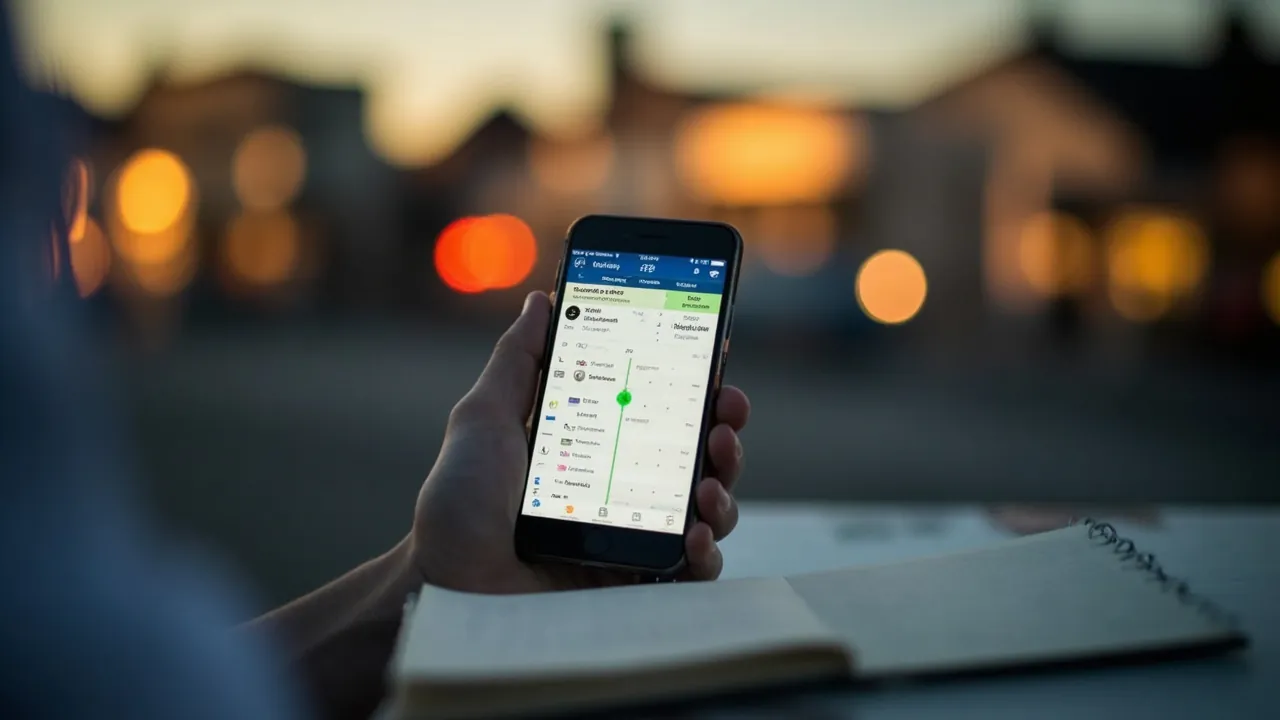
The companion app mirrors the editorial desk: morning fixture notes, afternoon pitch reads, evening captain ledger, and a closing fantasy points review after each game. Push notifications are quiet by default; the app does not buzz for every dismissal.
It is free, with no paid tiers and no in-app purchases. It does not run contests and does not take deposits. It is a reader-first companion to the editorial desk on the web.
Three things we deliberately did not build into the companion app.
What you can expect from a default install, and how to change it.
One notification, 36 hours before the first fixture of the day. Off by default.
One notification, 90 minutes before the toss of the day's headline fixture. Off by default.
One notification, 30 minutes after the last fixture of the day. Off by default.
One notification, weekly, when the desk publishes a longer read. Off by default.
All four notification categories are off by default. Toggle on the categories you want from the app's Settings panel.
Where to download, what to do if installation fails, and the supported versions.
A second pass through the topic with extra context, examples and the small habits the desk uses on its own teams.
Ownership percentage is the most under-used input on a fantasy desk. In a large contest, the captain should rarely be the most-picked player. A captain who is owned by 8% of the contest and who fits the surface gives you a swing; a captain who is owned by 60% gives you no differential. Track ownership through the season, not just at the start.
Articles, columns and references the desk keeps open in a browser tab through the season.

The desk's read on Tuesday's Wankhede fixture and what it means for the rest of the week.
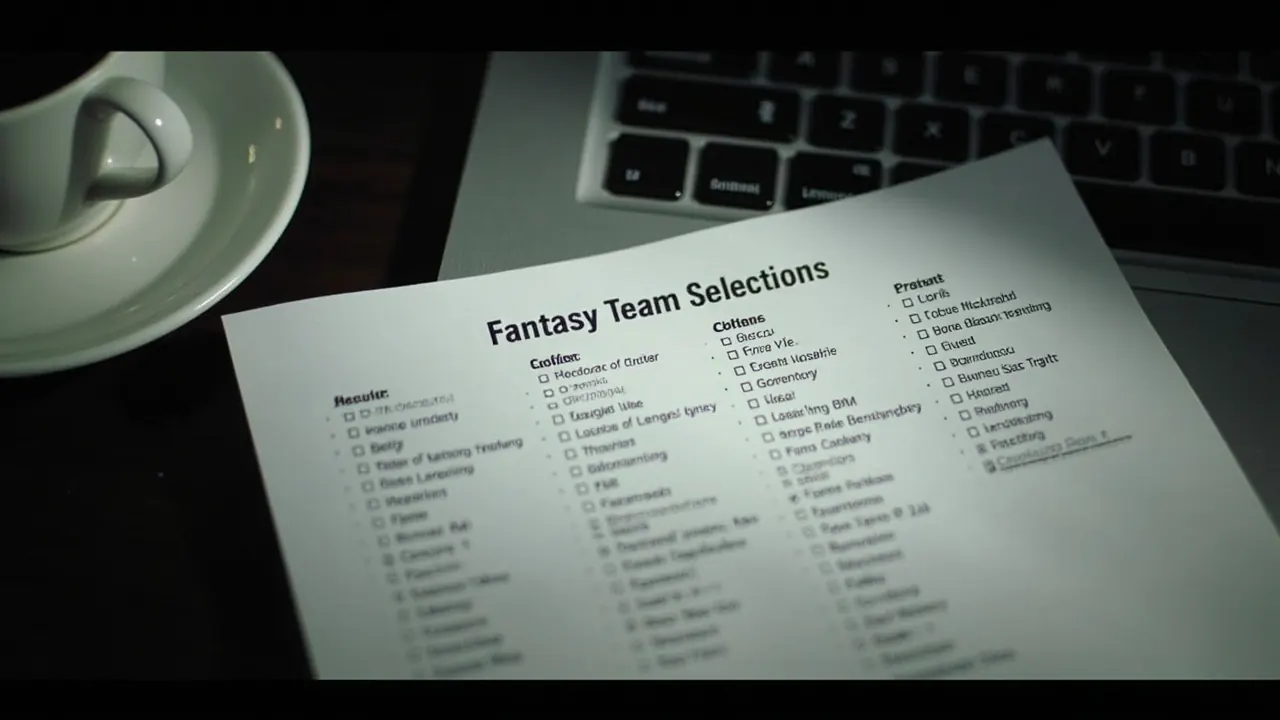
The 4-factor reasoning for tonight's captain pick: surface, form, match-up, role.

What the surface looks like 90 minutes before toss, and the fantasy angle.

A new opening pair and a death-over reshuffle.
A short reading-end summary for the desk's match-day readers.
Read the pitch report before you read the line-up. The surface dictates the captain pool more reliably than the recent form table. A dry turner and a flat deck are different games; treat them as such.
Pick the captain after the surface, form and match-up all point one way. If they do not point one way, pick the differential. The captain pick is the single biggest source of variance in any contest.
Fixed stake per contest, three small contests instead of one big one, walk away after three losses. The boring habits are the ones that keep winners in the contest long enough to learn.
IPL Fantasy Score is an editorial publication. We do not run a paid fantasy platform; we publish coverage. The desk's habit is to describe the captain logic in plain language and let the reader decide. We do not promise winning teams. We publish reasoning.