
Account
Sign in and account access, step by step
A practical guide to the sign-in flow, the recovery flow, and the two-step verification most platforms offer. Always confirm the exact flow on the operator's own site.
The sign-in flow, step by step
The desk describes the standard sign-in flow used across most fantasy cricket platforms in India. Confirm the exact flow on the operator's own page.
1
Open the platform's app or website
Use the official app downloaded from the operator's site, or the operator's website directly. Avoid sign-in links shared in third-party messages.
2
Enter your registered mobile number or email
Most platforms use mobile-number sign-in with a one-time password (OTP). Some platforms also offer email-based sign-in.
3
Enter the OTP sent to your phone or email
The OTP is single-use and expires in 5-10 minutes. Do not share it with anyone; legitimate support staff will never ask for it.
4
Set or update your password (first-time only)
If this is your first sign-in on a new device, you may be asked to set a password. Choose a long, unique passphrase; do not reuse a banking password.
5
Confirm the sign-in
You will see a confirmation in the app or a redirect on the website. If you do not see a confirmation, do not retry indefinitely; contact support through the official channel.
Recovery
What to do if sign-in fails
Three common reasons sign-in fails and how to recover without losing your account or deposit history.
First, an OTP that does not arrive. Check that the mobile number registered on the platform matches the one you are entering. If it does, request the OTP again after 60 seconds; networks can be slow.
Second, a password that does not work. Most platforms use OTP sign-in by default and a password is only set on the first sign-in. If you forgot your password, use the "forgot password" link rather than guessing.
Third, an account that is locked after too many attempts. Lockouts clear automatically after 30-60 minutes. If the lockout persists, contact customer care with your registered mobile number; do not share the OTP.
Read the customer care guide
Two-step verification
A short habit that protects your deposit history.
- Enable two-step verification on your account. Most platforms offer this under Account Settings or Security. The second factor is usually an OTP to your registered mobile.
- Do not reuse a banking or email password. A unique passphrase on each platform is the easiest protection against credential-stuffing attacks.
- Sign out on shared devices. Most platforms offer a "sign out of all devices" option in Account Settings. Use it after travelling or after using a friend's phone.
- Do not share the OTP. Legitimate support staff never ask for an OTP. A request for an OTP is a scam.
Related reading


What this page covers, in long form
A second pass through the topic with extra context, examples and the small habits the desk uses on its own teams.
Insight 01
Surface over form
The single biggest input to any fantasy cricket decision is the playing surface, not the recent form table. A dry Chepauk turner rewards a different XI than a flat Chinnaswamy track, and a green Mohali morning changes the captain pick again. Reading the pitch report the night before the toss is the highest-use habit a fantasy reader can build.
Insight 02
Captain over eleven
The captain pick is worth more than the eleven. A captain who scores 40 with two boundaries earns 96 fantasy points before any milestone bonus; the same innings from a non-captain earns 48. The captain multiplier is where most of the season's variance is decided, and the captain pick should be made after reading the surface, not before.
Insight 03
Bankroll beats picks
The desk's strongest readers win not because of better captain picks but because of better bankroll habits. A fixed stake per contest, three small contests instead of one big one, and a hard stop after three straight losses are the boring habits that keep readers in the contest long enough to learn.
A note on ownership
Ownership percentage is the most under-used input on a fantasy desk. In a large contest, the captain should rarely be the most-picked player. A captain who is owned by 8% of the contest and who fits the surface gives you a swing; a captain who is owned by 60% gives you no differential. Track ownership through the season, not just at the start.
Five reads the desk returns to
Articles, columns and references the desk keeps open in a browser tab through the season.

Match report
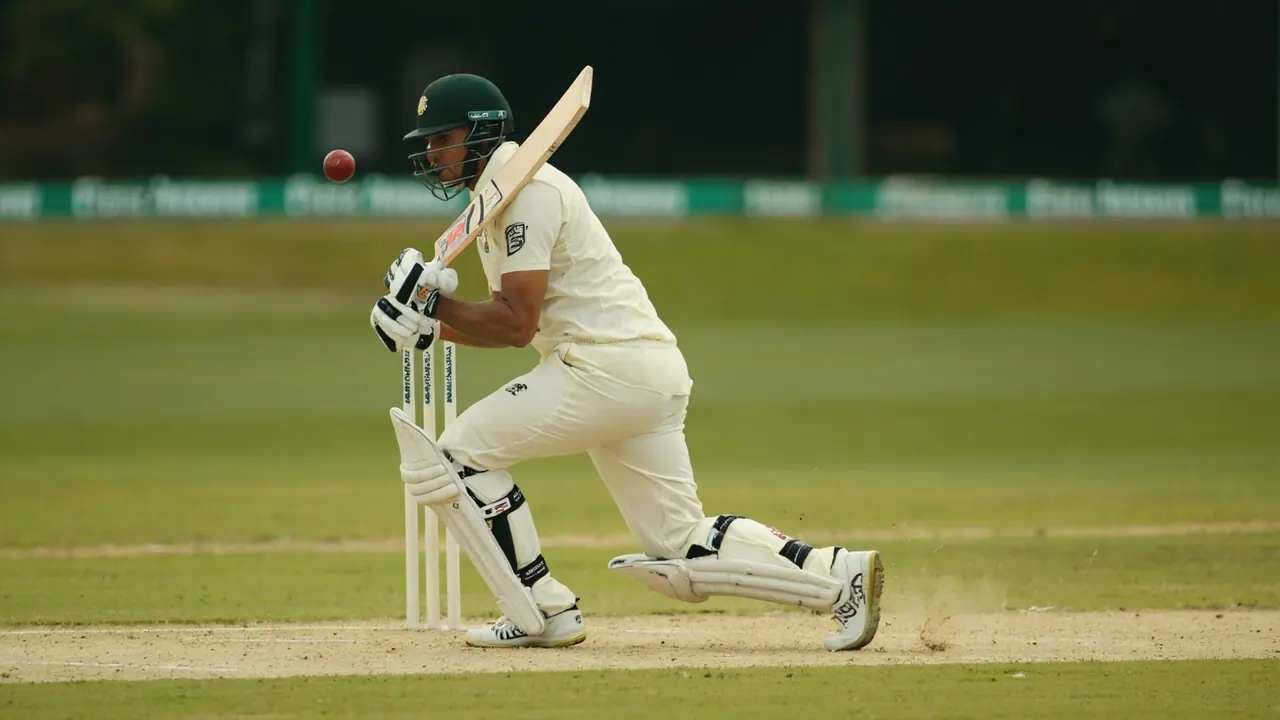
MI edge CSK in a 19-over chase
The desk's read on Tuesday's Wankhede fixture and what it means for the rest of the week.
Captain pick
Captain pick of the day
The 4-factor reasoning for tonight's captain pick: surface, form, match-up, role.

Pitch report
Chepauk reading: dry top, slow turn
What the surface looks like 90 minutes before toss, and the fantasy angle.


Team preview
Mumbai Indians: a rebuild on a flat deck
A new opening pair and a death-over reshuffle.

Three things to carry into the next page
A short reading-end summary for the desk's match-day readers.
1
The surface is the input
Read the pitch report before you read the line-up. The surface dictates the captain pool more reliably than the recent form table. A dry turner and a flat deck are different games; treat them as such.
2
The captain is the output
Pick the captain after the surface, form and match-up all point one way. If they do not point one way, pick the differential. The captain pick is the single biggest source of variance in any contest.
3
The bankroll is the discipline
Fixed stake per contest, three small contests instead of one big one, walk away after three losses. The boring habits are the ones that keep winners in the contest long enough to learn.
Editorial reminder
IPL Fantasy Score is an editorial publication. We do not run a paid fantasy platform; we publish coverage. The desk's habit is to describe the captain logic in plain language and let the reader decide. We do not promise winning teams. We publish reasoning.