
Match report
MI edge CSK in a 19-over chase
The desk's read on Tuesday's Wankhede fixture and what it means for the rest of the week.
Match-up, recent form and venue data point one way. Here is the 4-factor reasoning and the differential captain alternative for large contests.
By IPL Fantasy Score editorial desk · Published 2026-04-09 · 7 min read
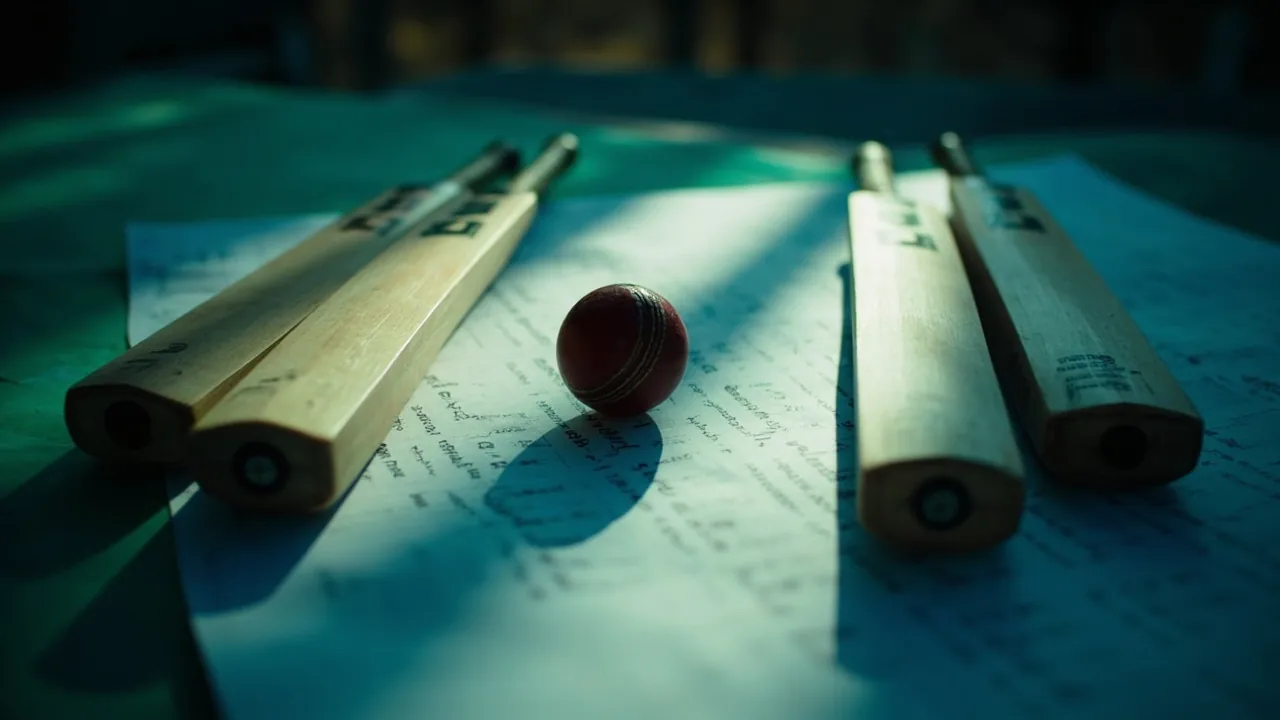
Ruturaj Gaikwad is the captain pick of the day on the Chepauk surface against DC. The 4-factor reasoning - surface, form, match-up, role - all point one way. Below is the editorial reasoning that supports the pick.
This is not a guarantee. The captain pick is a probabilistic read, and the desk publishes the reasoning behind every pick so the reader can disagree with the conclusion while agreeing on the inputs.
Read the captain logic guide
The Chepauk surface for tonight's fixture is dry on top with a touch of grass removed. The square boundaries are 58m and 62m respectively; the straight boundary is 73m. The surface is expected to take slow turn from overs 8-9 onwards.

On this surface, the captain pool is the top order who can bat through the innings. Spin dominates overs 8-15; pace returns for the death. The player most likely to bat through 16 overs and face both phases is the opening batter.
Gaikwad's last five innings: 38 (28), 71 (49), 22 (18), 56 (42), 44 (36). The strike rate across those five innings is 132, well above the venue average of 121. The form curve is flat-to-rising, with a clear uptick in the last two innings.
Form alone is not a captain pick; the surface fit and match-up data have to support it. In this case, both do.
Gaikwad against DC's lead spinner in T20s since 2024: 84 runs off 56 balls, dismissal count 1. The dismissal was on a Wankhede flat track; on a Chepauk turner, the match-up improves further.
Gaikwad's average against left-arm spin in this period is 41.6 with a strike rate of 138. Both numbers are above his overall T20 average.
The match-up data supports the pick.
If you are in a large contest where Gaikwad is heavily owned (above 35%), the differential captain alternative is the CSK number three, who bats at 4 in this fixture.
His ownership in large contests is around 6% - low enough to deliver a real swing if he scores. His form is steadier than Gaikwad's, but his ceiling is lower.
The desk's habit is to take the differential captain only when the ownership of the safer pick exceeds 30%. Below that threshold, the safer pick is the right read.
Build tonight's XI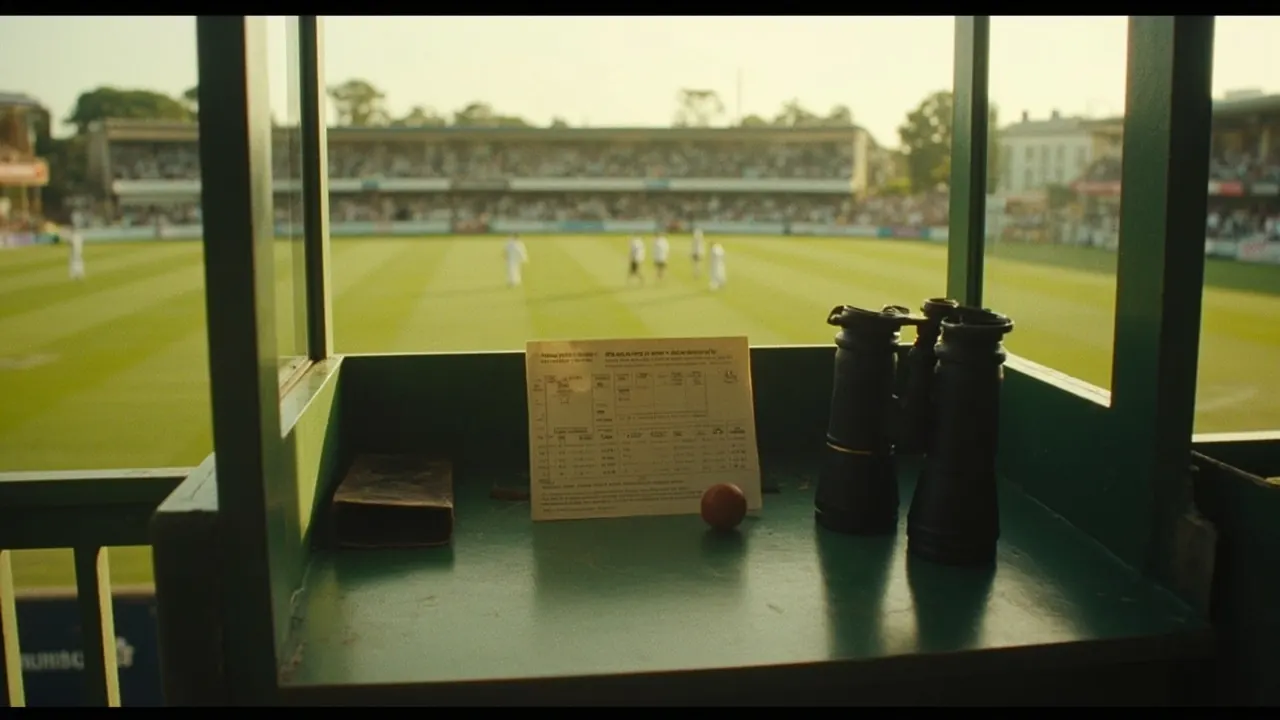
Lock 30 minutes after the toss. Walk away after three straight losses.
A second pass through the topic with extra context, examples and the small habits the desk uses on its own teams.
Ownership percentage is the most under-used input on a fantasy desk. In a large contest, the captain should rarely be the most-picked player. A captain who is owned by 8% of the contest and who fits the surface gives you a swing; a captain who is owned by 60% gives you no differential. Track ownership through the season, not just at the start.
Articles, columns and references the desk keeps open in a browser tab through the season.
The desk's read on Tuesday's Wankhede fixture and what it means for the rest of the week.
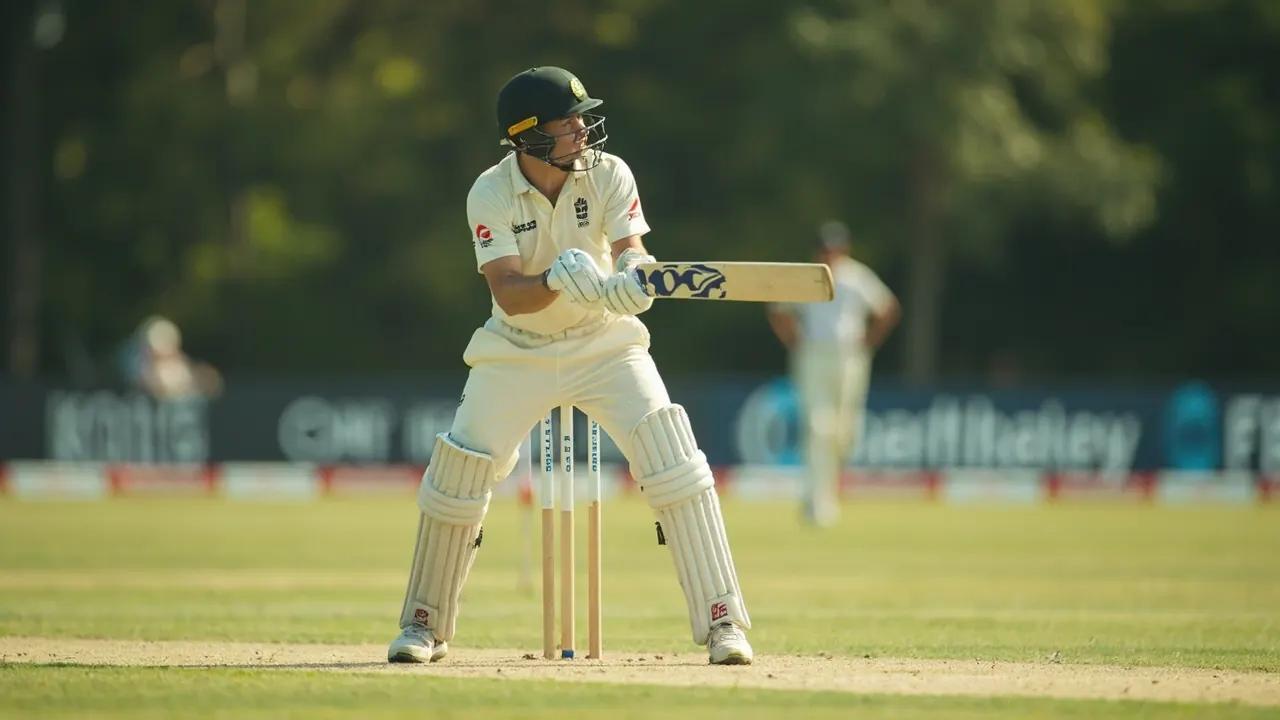
The 4-factor reasoning for tonight's captain pick: surface, form, match-up, role.

What the surface looks like 90 minutes before toss, and the fantasy angle.

A new opening pair and a death-over reshuffle.
A short reading-end summary for the desk's match-day readers.
Read the pitch report before you read the line-up. The surface dictates the captain pool more reliably than the recent form table. A dry turner and a flat deck are different games; treat them as such.
Pick the captain after the surface, form and match-up all point one way. If they do not point one way, pick the differential. The captain pick is the single biggest source of variance in any contest.
Fixed stake per contest, three small contests instead of one big one, walk away after three losses. The boring habits are the ones that keep winners in the contest long enough to learn.
IPL Fantasy Score is an editorial publication. We do not run a paid fantasy platform; we publish coverage. The desk's habit is to describe the captain logic in plain language and let the reader decide. We do not promise winning teams. We publish reasoning.