Surface
Dry turner (Chennai, Lucknow)
Spinners and set batters carry the points. A top-order batter with a high balls-per-boundary ratio is a strong captain if he gets 8-10 overs of spin in the middle.
A working primer on captain picks, surface reads, venue templates and bankroll discipline. Updated through the IPL 2026 season.
Fantasy cricket is a game of small, well-reasoned decisions made under a time limit. The desk at IPL Fantasy Score has spent the last three IPL cycles writing the same kind of primer for friends who joined their first contest and then never picked up the second one. This page collects those habits in one place.
It is not a system that guarantees wins. Nothing does. It is a set of habits that, when repeated for 70 league games, leaves a reader with a team they can explain on Monday morning. That, in the end, is the only thing that separates a fantasy player who improves from one who does not.

The single biggest fantasy input is the surface. A dry Chepauk track demands a different XI than a flat Wankhede wicket. A green Mohali morning changes the bowling choice. The match preview pages on the desk are written to be read between 4pm and 6pm on match day, not after the toss.
First, pick the player most likely to top-score on this surface. Second, decide whether that player has a low ownership percentage in your contest. A captain who is heavily owned in a large contest gives you no differential. A captain who is rarely picked but who fits the surface is worth the volatility.
You will play the same teams at the same grounds multiple times in a season. The bowler mix, the batting order, the role of the impact player all change with venue. Maintain three or four saved templates, one per ground, and tweak rather than rebuild.
The toss changes the XI more than the average reader realises. A chasing XI is built differently from a defending XI. The named impact player often tells you which way the captain is thinking. Confirm the playing 11 at toss, not at 4pm.
The boring part. It is also the part that keeps winners in the contest. Decide a fixed stake per contest before you start. Set a hard stop at three straight losses. Walk away. A season is long and the contests are many.
Three surfaces and the captain logic the desk applies to each.
Spinners and set batters carry the points. A top-order batter with a high balls-per-boundary ratio is a strong captain if he gets 8-10 overs of spin in the middle.
Powerplay wickets and death-over wickets carry equal weight. Pace-bowling all-rounders and top-order batters who bat through the innings are the captain pool.
New-ball bowlers and lower-order batters who can swing a bat. Captain a fast-bowling all-rounder on a green morning; the points compound through wickets and lower-order runs.
Five recurring errors that cost fantasy readers points every season.
Form is real but it decays fast in T20s. A 70-ball 90 on a flat deck is not a predictor of a 30-ball 12 on a slow turner.
The named impact player at the toss changes the XI's bowling and batting options. Build the team so the impact slot covers the surface.
High ownership means no differential. In a large contest, the captain should rarely be the most-picked player.
A submitted team cannot change. A 30-minute wait is worth the information. Lock after the toss, never before.
Readers in restricted states should not deposit on paid contests. The eligibility explainer covers the current position for each state.
Three more pages from the desk that pair with this primer.

The standard T20 scoring table, with platform-by-platform notes on the small variations.


Readers who finished in the top 1% in past seasons tell us what worked.
Start with the fantasy primer, the points system reference and tonight's pitch report. Lock after the toss.
A second pass through the topic with extra context, examples and the small habits the desk uses on its own teams.
Ownership percentage is the most under-used input on a fantasy desk. In a large contest, the captain should rarely be the most-picked player. A captain who is owned by 8% of the contest and who fits the surface gives you a swing; a captain who is owned by 60% gives you no differential. Track ownership through the season, not just at the start.
Articles, columns and references the desk keeps open in a browser tab through the season.

The desk's read on Tuesday's Wankhede fixture and what it means for the rest of the week.

The 4-factor reasoning for tonight's captain pick: surface, form, match-up, role.
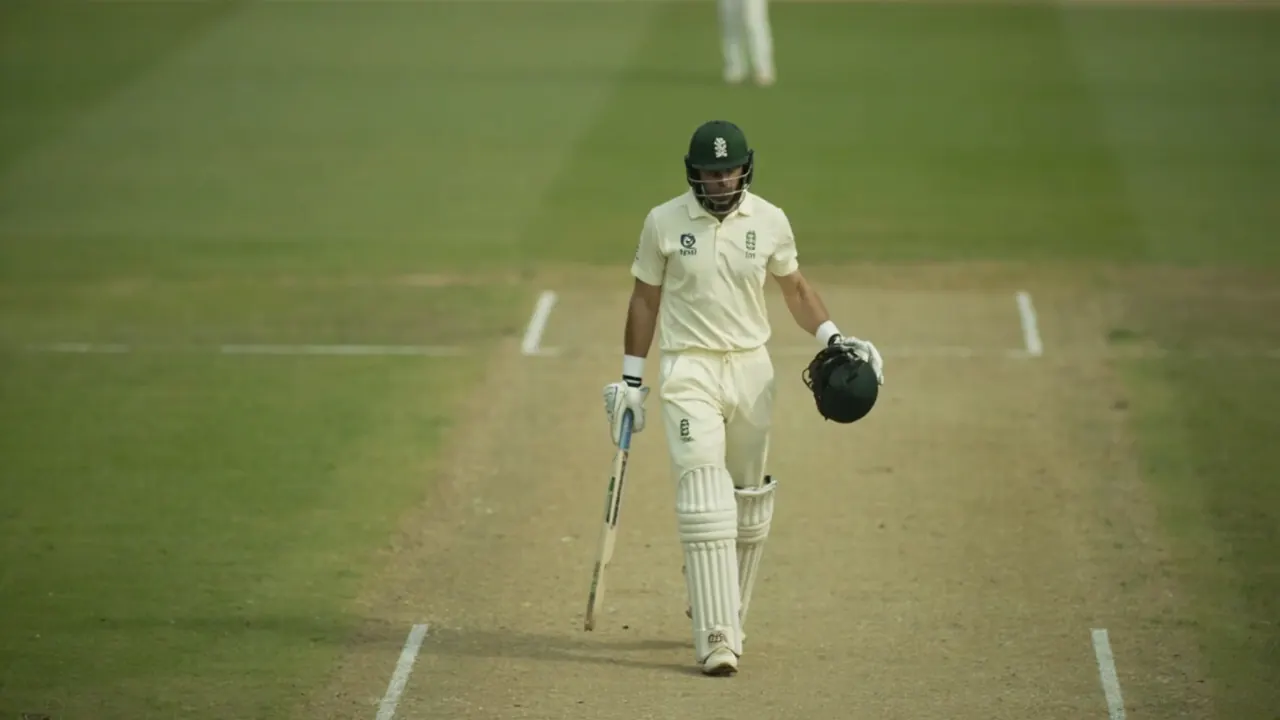
What the surface looks like 90 minutes before toss, and the fantasy angle.


A new opening pair and a death-over reshuffle.

A short reading-end summary for the desk's match-day readers.
Read the pitch report before you read the line-up. The surface dictates the captain pool more reliably than the recent form table. A dry turner and a flat deck are different games; treat them as such.
Pick the captain after the surface, form and match-up all point one way. If they do not point one way, pick the differential. The captain pick is the single biggest source of variance in any contest.
Fixed stake per contest, three small contests instead of one big one, walk away after three losses. The boring habits are the ones that keep winners in the contest long enough to learn.
IPL Fantasy Score is an editorial publication. We do not run a paid fantasy platform; we publish coverage. The desk's habit is to describe the captain logic in plain language and let the reader decide. We do not promise winning teams. We publish reasoning.