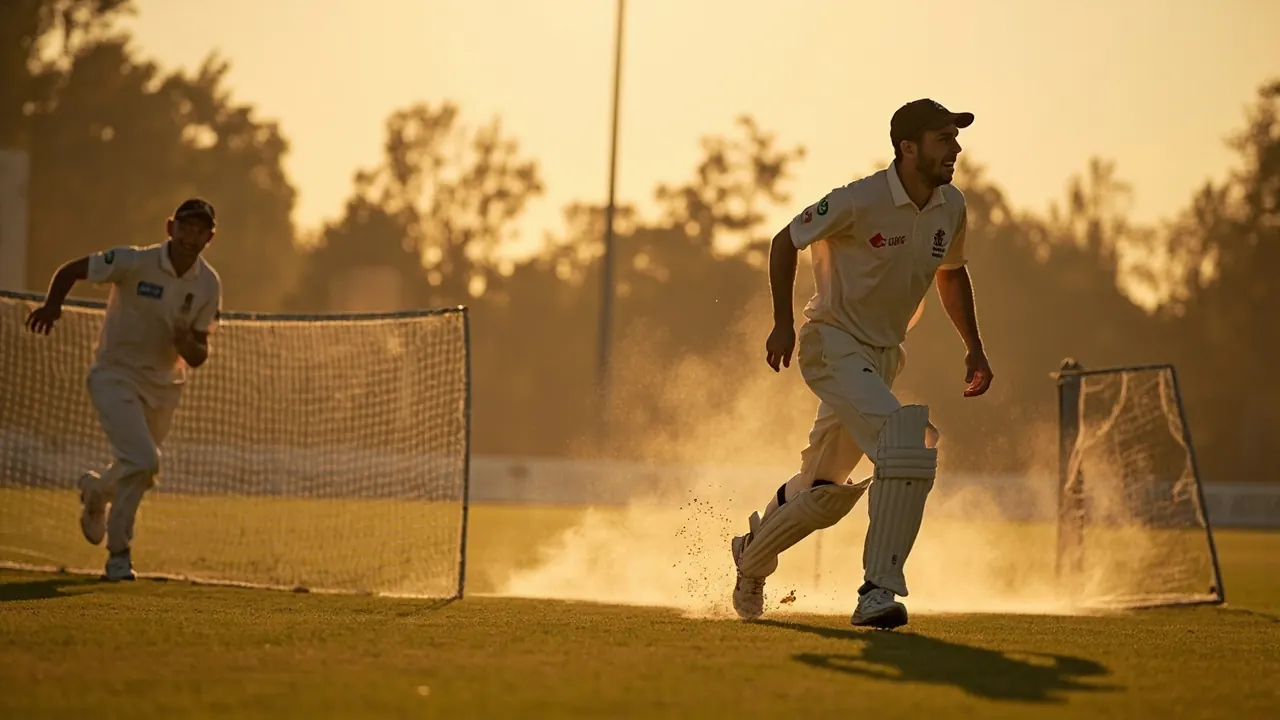
Team preview
Chennai Super Kings: a Chepauk-first identity
Spin-heavy attack built around a slow turner at home.
A new opening pair and a death-over reshuffle. The desk watches the first three games for the captaincy direction.
By IPL Fantasy Score editorial desk · Published 2026-03-18 · 7 min read
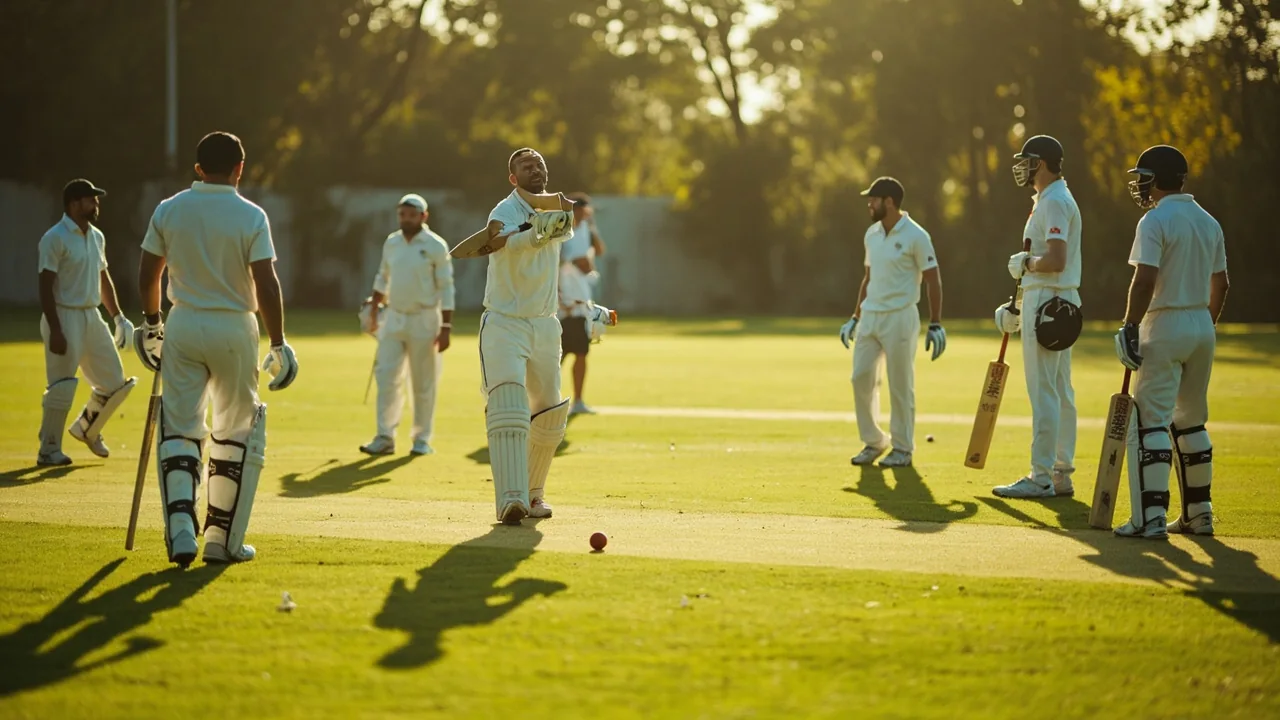
Mumbai enter IPL 2026 with a 22-player squad. The squad has four overseas slots; the rotation between the four will depend on the surface and the opposition. The desk expects three overseas slots to be locked (an opener, an all-rounder, and a death-overs bowler) and the fourth to rotate.
The Indian core is deep: eight batters, four pace-bowling all-rounders, and two wrist-spinners. The captain and vice-captain slots are settled.
Back to the season map
After three seasons with the same opening pair, Mumbai have brought in a new partner for the existing opener. The new partner is a left-handed top-order batter who averaged 38 in the domestic T20 last season with a strike rate of 142.
The match-up against right-arm pace - the most common opening bowling type in the IPL - is favourable. The match-up against left-arm spin, which several franchises deploy as a powerplay disruptor, is mixed. The desk will watch the first three games for a clear read.
Mumbai's death-overs spell was the team's weakest phase last season. The reshuffle for 2026 moves the lead pacer to the 16th and 18th overs, and the lead wrist-spinner to the 14th and 17th. The expected outcome is two tight death-overs spells per game instead of one.
For fantasy readers, this is the death-overs captain pool on a flat deck. The new arrangement means a top-order captain and a death-overs captain are both viable reads.
Three reads for the desk's MI fantasy readers.
The new opening pair is the captain pool on a flat deck. The death-overs spell is the captain pool on a slow turner.
Two wrist-spinners mean two captain alternatives on slow turners. Pick the one with the better match-up, not the one with the higher ownership.
Watch the named impact player at toss. The fourth slot rotates between a back-up pacer and a back-up batter depending on the surface.
Spin-heavy attack built around a slow turner at home.


A second pass through the topic with extra context, examples and the small habits the desk uses on its own teams.
Ownership percentage is the most under-used input on a fantasy desk. In a large contest, the captain should rarely be the most-picked player. A captain who is owned by 8% of the contest and who fits the surface gives you a swing; a captain who is owned by 60% gives you no differential. Track ownership through the season, not just at the start.
Articles, columns and references the desk keeps open in a browser tab through the season.

The desk's read on Tuesday's Wankhede fixture and what it means for the rest of the week.

The 4-factor reasoning for tonight's captain pick: surface, form, match-up, role.
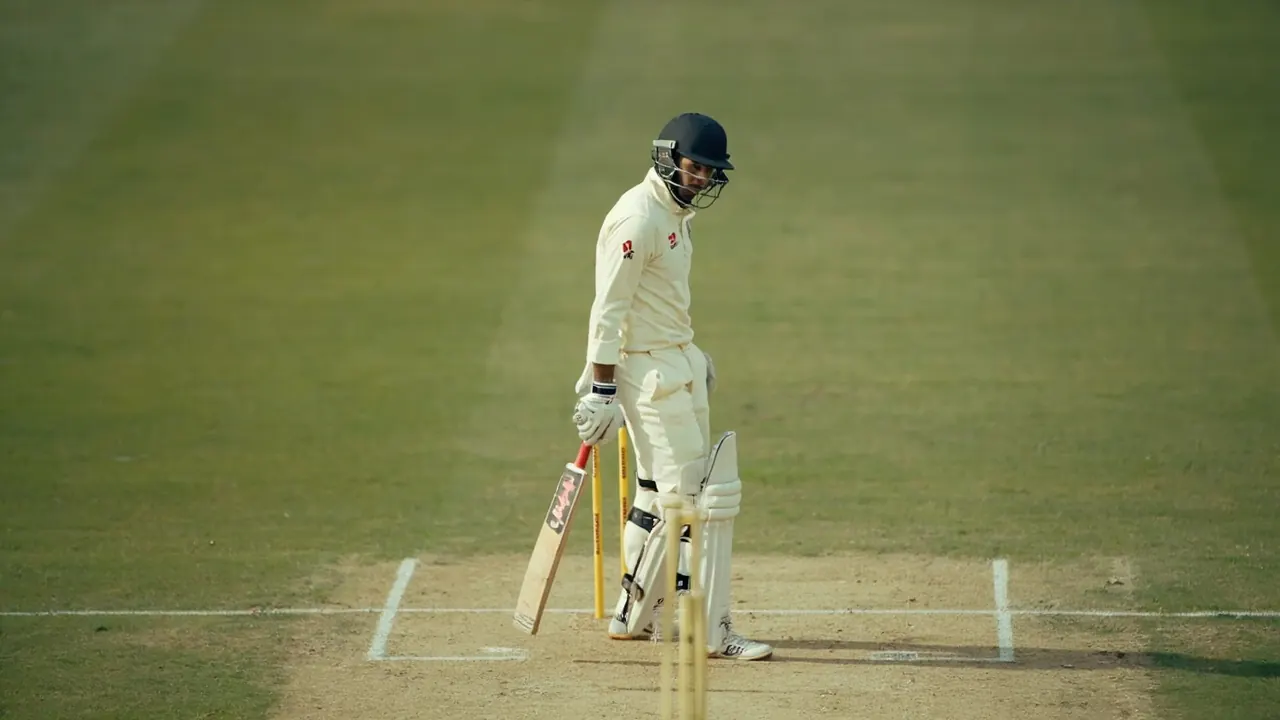
What the surface looks like 90 minutes before toss, and the fantasy angle.
A new opening pair and a death-over reshuffle.

A short reading-end summary for the desk's match-day readers.
Read the pitch report before you read the line-up. The surface dictates the captain pool more reliably than the recent form table. A dry turner and a flat deck are different games; treat them as such.
Pick the captain after the surface, form and match-up all point one way. If they do not point one way, pick the differential. The captain pick is the single biggest source of variance in any contest.
Fixed stake per contest, three small contests instead of one big one, walk away after three losses. The boring habits are the ones that keep winners in the contest long enough to learn.
IPL Fantasy Score is an editorial publication. We do not run a paid fantasy platform; we publish coverage. The desk's habit is to describe the captain logic in plain language and let the reader decide. We do not promise winning teams. We publish reasoning.