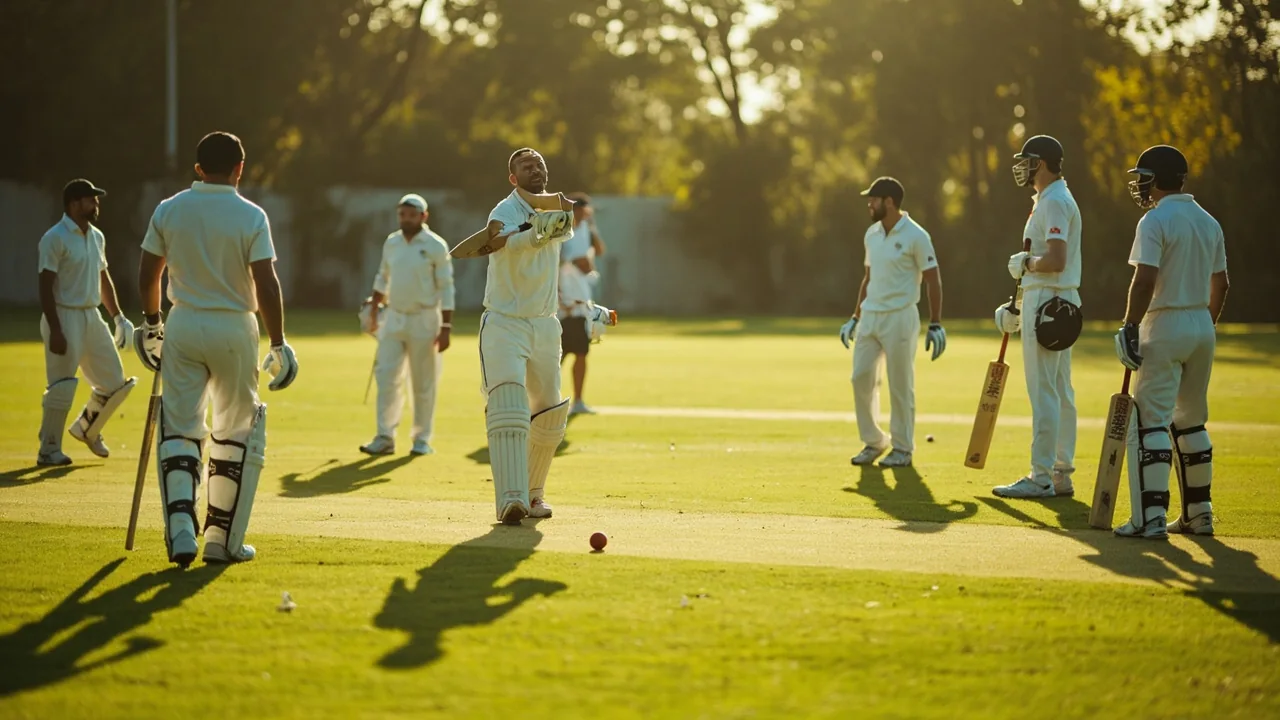
Interview
Aanya R., Bengaluru: top-0.3% in mega contests
Four captains in five games, and the moment the strategy clicked.
Surface reads, ownership data and a small habit that saved his bankroll. The interview.
Hiren M. finished top-1% in IPL 2025 head-to-head contests. His edge came from a single habit: he stopped chasing yesterday's top scorer and started reading the surface the night before.
"The match-up tables on the desk were a real reference, not guesswork. Once I treated the surface as the input and the captain pick as the output, my variance dropped and my mean rose."
Back to winners
Hiren explains the workflow.
"The night before the fixture, I read the venue's pitch report from the desk. I wrote one sentence on the captain pool. The next morning, I read the team news. If the team news contradicted the captain pool, I rewrote the sentence. If it did not, I locked it."
"The match-up tables were the most useful input. They took the captain pool as a list of names and reduced it to one or two reads. Once you have two reads, you can choose between them based on form and ownership."
"The week it broke was a green seamer where the team's lead pace-bowler was held back at the toss. I had not built in a contingency for the lead bowler's absence. The next week I added a one-line check: 'who is the lead bowler and is he playing?' If the answer was uncertain, I went differential."
Hiren's bankroll rule.
Split the bankroll across three small head-to-head contests. The variance evens out across three.
Tilted contests lose money faster than they win it back. Two losses is the stop signal.
Withdraw to a bank account every month. The withdrawal habit keeps the bankroll honest.
Four captains in five games, and the moment the strategy clicked.
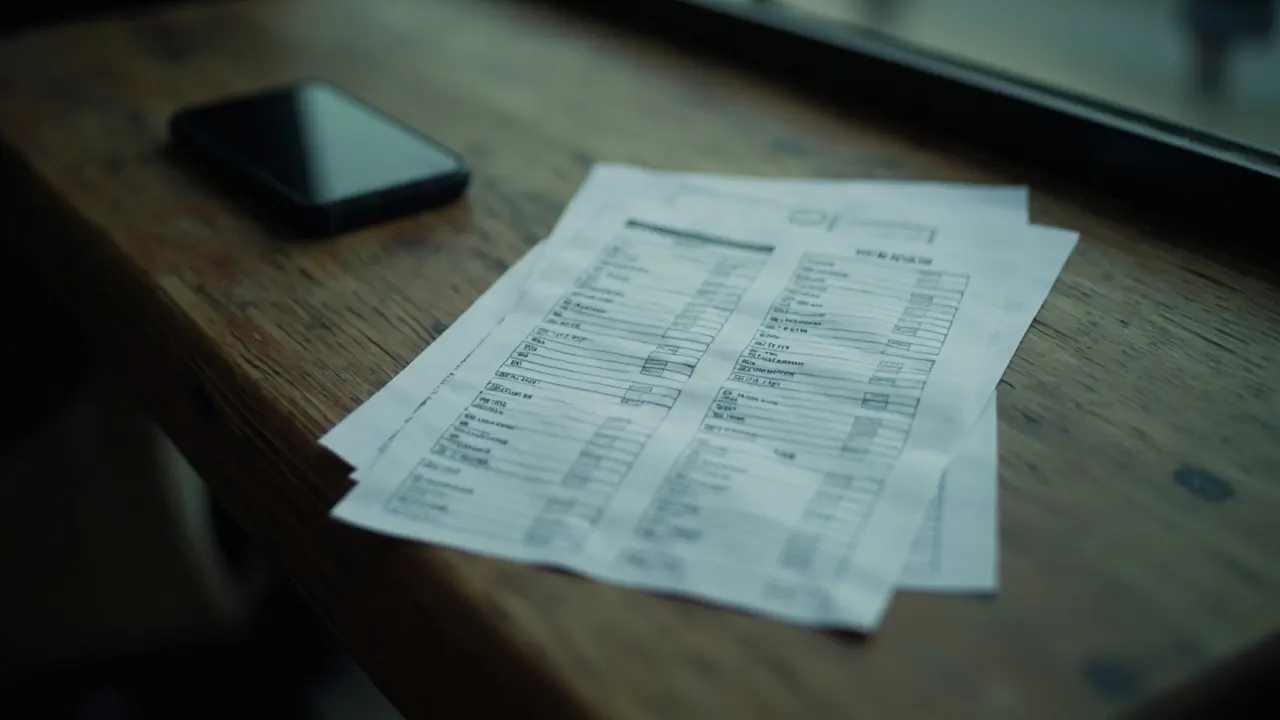

A second pass through the topic with extra context, examples and the small habits the desk uses on its own teams.
Ownership percentage is the most under-used input on a fantasy desk. In a large contest, the captain should rarely be the most-picked player. A captain who is owned by 8% of the contest and who fits the surface gives you a swing; a captain who is owned by 60% gives you no differential. Track ownership through the season, not just at the start.
Articles, columns and references the desk keeps open in a browser tab through the season.
The desk's read on Tuesday's Wankhede fixture and what it means for the rest of the week.
The 4-factor reasoning for tonight's captain pick: surface, form, match-up, role.

What the surface looks like 90 minutes before toss, and the fantasy angle.

A new opening pair and a death-over reshuffle.

A short reading-end summary for the desk's match-day readers.
Read the pitch report before you read the line-up. The surface dictates the captain pool more reliably than the recent form table. A dry turner and a flat deck are different games; treat them as such.
Pick the captain after the surface, form and match-up all point one way. If they do not point one way, pick the differential. The captain pick is the single biggest source of variance in any contest.
Fixed stake per contest, three small contests instead of one big one, walk away after three losses. The boring habits are the ones that keep winners in the contest long enough to learn.
IPL Fantasy Score is an editorial publication. We do not run a paid fantasy platform; we publish coverage. The desk's habit is to describe the captain logic in plain language and let the reader decide. We do not promise winning teams. We publish reasoning.