
Match report
MI edge CSK in a 19-over chase
The desk's read on Tuesday's Wankhede fixture and what it means for the rest of the week.
A free, six-step primer that walks a first-time reader from sign-up to a team they can explain by the toss. No deposit required.
A first-time reader can complete all six steps in under thirty minutes.
Before you pick a team, read the standard T20 points system reference. The captain pick matters more than the eleven, and the points table tells you why.
Most fantasy platforms in India use mobile-number sign-in. Use a number you have access to; OTP verification is the standard second factor.
PAN and a bank account or UPI ID are required for any deposit or withdrawal. KYC is one-time and takes a few minutes.
Practice contests are free to enter and pay in practice credits. They are the right place to learn the platform before risking a deposit.
Pick 11 players within a salary cap. Choose a captain (2x) and a vice-captain (1.5x). Confirm the XI at toss, not before.
Submit the team 30 minutes before the toss. Walk away after three straight losses. Read the responsible play guide before depositing.
Three checks to make before you deposit any money.
First, confirm the platform's state eligibility covers where you live. Paid contests are restricted in some states regardless of the editorial argument.
Second, set a deposit limit. The platform's responsible play settings let you cap daily, weekly or monthly deposits. Set the cap before you deposit, not after.
Third, decide a fixed stake per contest. The desk's habit is three small contests rather than one big one. A season is long; the variance evens out.
Responsible play
No deposit. No risk. Build your first XI in the next 30 minutes.
A second pass through the topic with extra context, examples and the small habits the desk uses on its own teams.
Ownership percentage is the most under-used input on a fantasy desk. In a large contest, the captain should rarely be the most-picked player. A captain who is owned by 8% of the contest and who fits the surface gives you a swing; a captain who is owned by 60% gives you no differential. Track ownership through the season, not just at the start.
Articles, columns and references the desk keeps open in a browser tab through the season.
The desk's read on Tuesday's Wankhede fixture and what it means for the rest of the week.

The 4-factor reasoning for tonight's captain pick: surface, form, match-up, role.
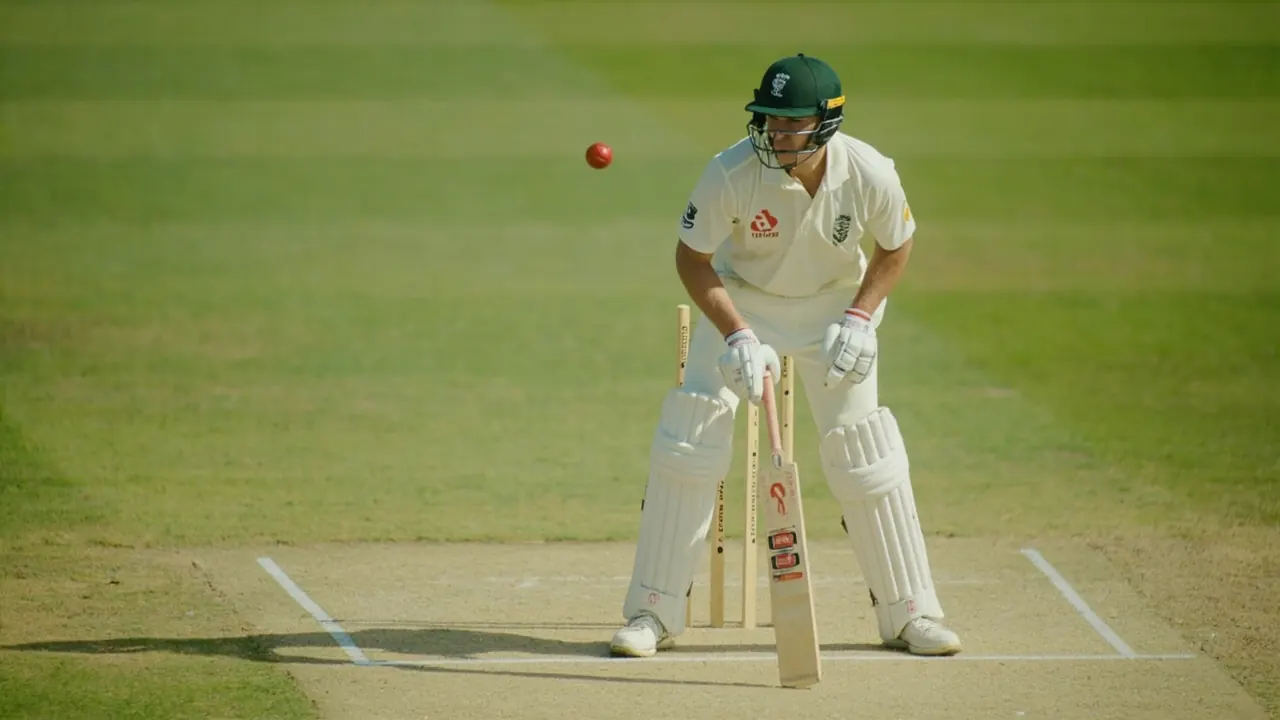
What the surface looks like 90 minutes before toss, and the fantasy angle.

A new opening pair and a death-over reshuffle.

A short reading-end summary for the desk's match-day readers.
Read the pitch report before you read the line-up. The surface dictates the captain pool more reliably than the recent form table. A dry turner and a flat deck are different games; treat them as such.
Pick the captain after the surface, form and match-up all point one way. If they do not point one way, pick the differential. The captain pick is the single biggest source of variance in any contest.
Fixed stake per contest, three small contests instead of one big one, walk away after three losses. The boring habits are the ones that keep winners in the contest long enough to learn.
IPL Fantasy Score is an editorial publication. We do not run a paid fantasy platform; we publish coverage. The desk's habit is to describe the captain logic in plain language and let the reader decide. We do not promise winning teams. We publish reasoning.