Safe captain
Kusal Mendis
Two innings, 81 runs, including a match-winning 79 at a strike rate near 160. Top of the order, wicketkeeper, captain. The combination of role, form and venue puts him at the top of the small-league pool.
Both teams sit on two points after two games. The toss, the chase and the captain pick are the three decisions that decide this fixture. Here is the desk's read, four hours before the first ball.
By IPL Fantasy Score editorial desk · Published 2026-07-22 · 8 min read
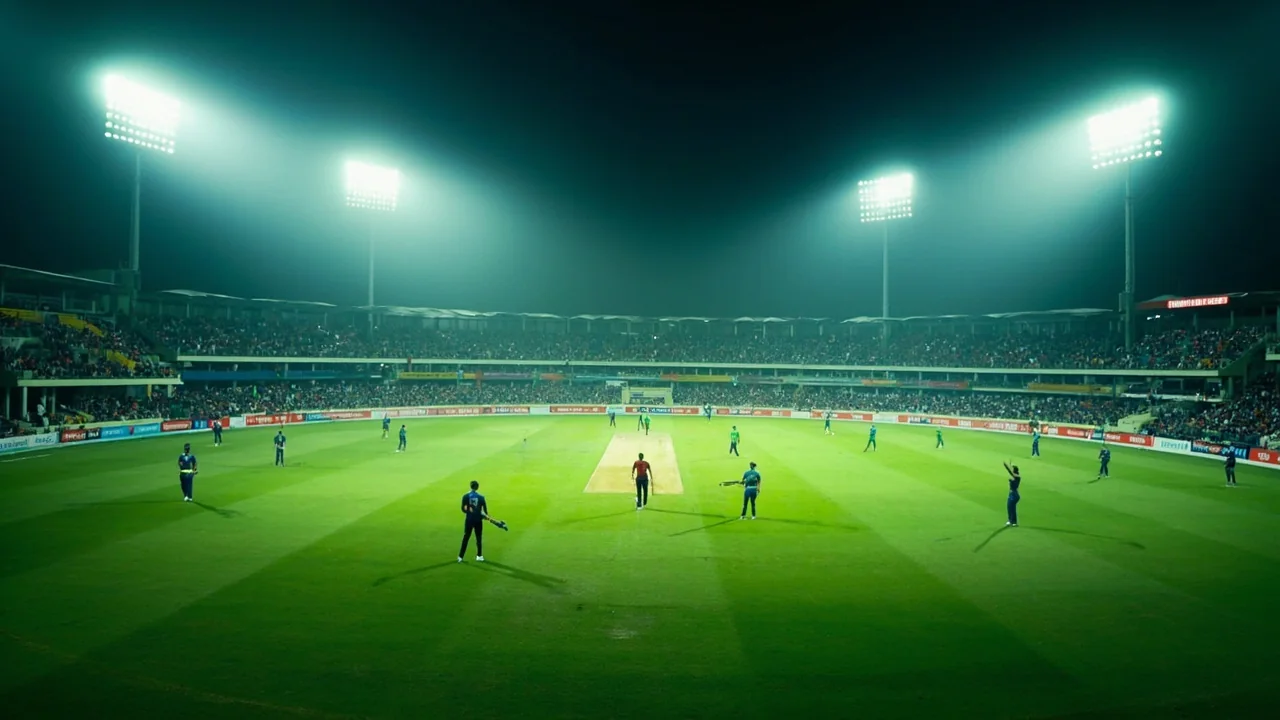
The seventh match of the Lanka T20 League 2026 brings together the two sides that have done the league table's quietest job so far. Jaffna Kings and Colombo Strikers are level on two points after two games each, separated only by net run rate. Jaffna sit fourth, Colombo third. Both have won one and lost one of their opening two fixtures, and both arrive at Dambulla on Wednesday afternoon knowing that a second win moves them into the top two.
The fixture carries a familiar pattern. Jaffna, the four-time champions, carry the weight of past wins; Colombo, the more recent finalist, carry the form line. The rivalry has produced several tight finishes in the last three seasons and the venue will suit another one. Rangiri Dambulla International Stadium, with a true surface and square boundaries under 65 metres, rewards batsmen who hit straight and bowlers who vary their pace through the middle overs.
The 3:00 PM IST start is the second match of a double-header at Dambulla. The toss will be made roughly thirty minutes earlier. As always in afternoon fixtures in Sri Lanka, the captain who wins the toss will look to chase: chasing sides at this venue have won 52 per cent of completed matches, a number that quietly tilts the in-game decision even before a ball is bowled.
The Dambulla strip for this window has read batting-friendly across the last two seasons, with the average first-innings score settling at 164. The square boundaries are short enough that a controlled pull or a clipped off-side drive can clear the rope without risk. Pace bowlers who hit the deck and vary their length have been more effective than turners in the middle overs on this surface; the report from the venue lists pace as the most suited discipline, and the desk's read agrees.
Weather is forecast partly cloudy at 29°C with humidity above 65 per cent. There is no rain threat in the current window. The ball will hold its colour through the powerplay and grip is expected to stay normal through the middle overs. There is no morning dew expected because the game starts in the afternoon.
From a fantasy angle the surface shifts the captain pool. On a flat Dambulla deck with short square boundaries, the captain pick is one of three roles: a top-order batter in form, a death-overs pace bowler, or an all-rounder who bats at four or five. A captain who only bowls or only fields at this venue is a sub-optimal pick unless the match-up against a specific batter is unusually favourable.
Jaffna Kings have won more meetings than Colombo Strikers across the league's history, but the gap has narrowed. In the last ten fixtures between these two sides, Jaffna have taken six and Colombo four. The margin has tightened in the second half of that sample: four of the last six have been decided in the final over, and two have gone to a Super Over.
The form coming in is the more useful input. Colombo Strikers have looked the more settled batting unit across their two opening games. Kusal Mendis, leading from the top of the order, has scored 81 runs in two innings, including a match-winning 79 at a strike rate that puts him near the top of the leaderboard. The bowling unit has delivered at the moments that matter; the Strikers have closed two tight games with disciplined death bowling rather than big death-overs hitting.
Jaffna Kings, by contrast, have looked a step slow at the top. Avishka Fernando's 49 runs in two innings have given them starts, but the middle order has not yet found a settled tempo. Dunith Wellalage has been the most consistent all-round contributor: 2 wickets at an economy of 5.86, plus useful runs in the lower order. Piyush Chawla, the leg-spinner, has also taken wickets across both games and controlled the middle overs. The four-time champions are not in crisis; they are in a quiet rebuild that this fixture will test.
How the leadership pair shape the fantasy call, and which four names sit on the desk's shortlist.
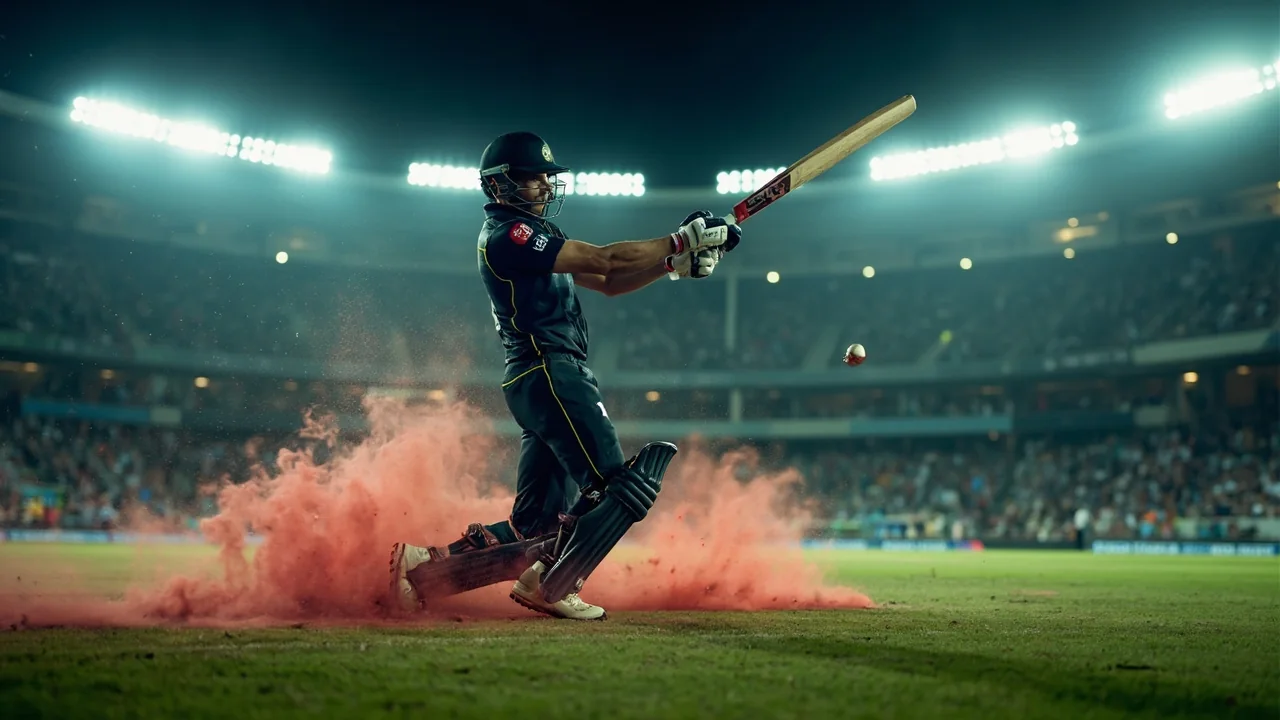
Mendis is captaining, keeping wicket and opening the batting. He has already delivered one match-winning innings in this tournament and his form curve points up. On a flat Dambulla surface with short square boundaries, a top-order batter who hits straight and clips off the hip is the highest-ceiling captain pick. He is the small-league safe captain and the large-league differential captain in the same name.
Rajapaksa takes the Jaffna captaincy and bats in the top three. He is a streaky but high-ceiling batter who prefers pace on the ball; a Dambulla deck that suits pace is in his range. He has not yet posted a big score in the tournament, but the venue and the role point to him finding runs sooner rather than later. He is the differential captain for large contests.
Two innings, 81 runs, including a match-winning 79 at a strike rate near 160. Top of the order, wicketkeeper, captain. The combination of role, form and venue puts him at the top of the small-league pool.
Two innings, 49 runs, attacking starts. Opens for Jaffna, hits pace well, and benefits from the same short square boundaries. Lower ownership than Mendis in large contests and a higher swing in points.
Both are all-rounders who bat through the middle order and bowl four overs. Wellalage has wickets and economy; Neesham has an unbeaten 48 and useful overs with the ball. Either is a clean vice-captain pick in a 2x captain format.
Predicted line-ups an hour before the toss. Confirm on the team-sheets at 2:30 PM IST.
The cleanest combination at this venue is 2-4-4-1: two wicketkeepers, four batters, four all-rounders, one bowler. The format matches the role distribution of both probable XIs and leaves room for two differentials in the all-rounder pool. Colombo's depth in batting means a second keeper is affordable; Jaffna's depth in all-rounders means the four-all-rounder slot is the place to spend ownership.
For punt picks, the desk is leaning towards Piyush Chawla and Ben McDermott. Chawla is a leg-spinner on a surface that has not turned much, but his googly is a different release and Jaffna's left-handers in the middle order can be vulnerable to it. McDermott is a wicketkeeper-batter option for the second keeper slot if the captain wants exposure to Jaffna's batting depth rather than doubling up on Colombo.
The two names to leave out are Taskin Ahmed and Mohammed Harris. Neither is in the probable XI as currently listed, and their last-match credits and points are not yet priced into a fixture where their selection would be a guess rather than a read.

Team 1 (safe): Kusal Mendis (c), Kamil Mishara; Bhanuka Rajapaksa, Sadeera Samarawickrama, Avishka Fernando, Rubin Hermann; David Wiese, James Neesham, Kamindu Mendis, Dunith Wellalage (vc); Lizaad Williams.
Team 2 (differential): Kusal Mendis, Kamil Mishara; Ben McDermott, Avishka Fernando (c), Rubin Hermann; David Wiese, James Neesham (vc), Kamindu Mendis, Dunith Wellalage; Piyush Chawla, Lizaad Williams.
The two teams share the same shape and differ in three places: captain, vice-captain, and the swap of McDermott for Rajapaksa in the batting pool. The differential version is built for large contests where ownership matters.
A short closing pass for the desk's match-day readers, with the second fixture of the day flagged.
Form, role and venue all point to him. On a flat Dambulla surface with short square boundaries, a top-order keeper-batter who is also captain of his side is the highest-ceiling pick in the small-league pool. Double up on him if you have two teams.
If you are in a large contest, lower ownership on a top-order Jaffna opener on a flat deck is the place to take a swing. His ceiling in this fixture is the same as Mendis; his ownership will not be.
Both bat through the middle and bowl four overs. Pick both if the format allows four all-rounders. If you have to pick one, pick Wellalage for his wicket-taking ceiling; pick Neesham if your team already has three wicket-taking bowlers.
Follow the full season reporting at the news desk for the next fixture's preview, the evening match report and the closing captain ledger once the second match of the day is done.
IPL Fantasy Score is an editorial publication. We do not run a paid fantasy platform; we publish coverage. The desk's habit is to describe the captain logic in plain language and let the reader decide. We do not promise winning teams. We publish reasoning. Set a fixed stake per contest, enter two or three small contests instead of one large one, and walk away after three straight losses.
A second pass through the topic with extra context, examples and the small habits the desk uses on its own teams.
Ownership percentage is the most under-used input on a fantasy desk. In a large contest, the captain should rarely be the most-picked player. A captain who is owned by 8 per cent of the contest and who fits the surface gives you a swing; a captain who is owned by 60 per cent gives you no differential. Track ownership through the season, not just at the start.
Articles, columns and references the desk keeps open in a browser tab through the season.

The desk's full primer: roles, captain logic, ownership, bankroll.
Boundary bonuses, milestone bonuses, captain multiplier, dot-ball credit.

From signing up to locking your first XI, in plain language.

Match-day scorecards, sessions and team news through the season.


A short reading-end summary for the desk's match-day readers.
Read the pitch report before you read the line-up. The surface dictates the captain pool more reliably than the recent form table. A flat Dambulla deck and a slow Chepauk turner are different games; treat them as such.
Pick the captain after the surface, form and match-up all point one way. If they do not point one way, pick the differential. The captain pick is the single biggest source of variance in any contest.
Fixed stake per contest, three small contests instead of one big one, walk away after three losses. The boring habits are the ones that keep winners in the contest long enough to learn.
IPL Fantasy Score is an editorial publication. We do not run a paid fantasy platform; we publish coverage. The desk's habit is to describe the captain logic in plain language and let the reader decide. We do not promise winning teams. We publish reasoning.